Hungarian Issues at the FUEN Congress in Helsinki
The Assembly of Delegates of the 70th FUEN Congress adopted an emergency resolution on the full restoration of the rights of the Hungarians in Ukraine.
The Assembly of Delegates of the 70th Congress of the Federal Union of European Nationalities (FUEN) adopted an emergency resolution on Saturday, September 19, in Helsinki, based on the proposal of the Cultural Alliance of Hungarians in Sub-Carpathia (KMKSZ). The document emphasizes that the full restoration of the previously guaranteed, acquired rights of the Transcarpathian Hungarian community is an indispensable condition for the community's survival and the preservation of its identity.
The resolution addresses the issue of education in detail, demanding the full provision of Hungarian-language education from kindergarten to higher education, as well as the preservation of Hungarian as the language of instruction for all subjects. Furthermore, it urges guaranteeing the free use of the Hungarian language in public spaces, public administration, culture, and local information, in addition to ensuring proportionate and effective interest representation in local and regional decision-making.
FUEN welcomes the bilateral negotiations initiated between Ukraine and Hungary, while calling on the Ukrainian government to translate the agreements in principle into practice as soon as possible and to adopt the necessary legislative amendments.
The document also points out that the legislative implementation of the results of the Ukrainian-Hungarian minority dialogue could create more favorable conditions for all national minorities in Ukraine. FUEN calls on the European institutions to monitor the practical realization of these legislative corrections.
The MKM Meeting and the Challenges of Minority Communities
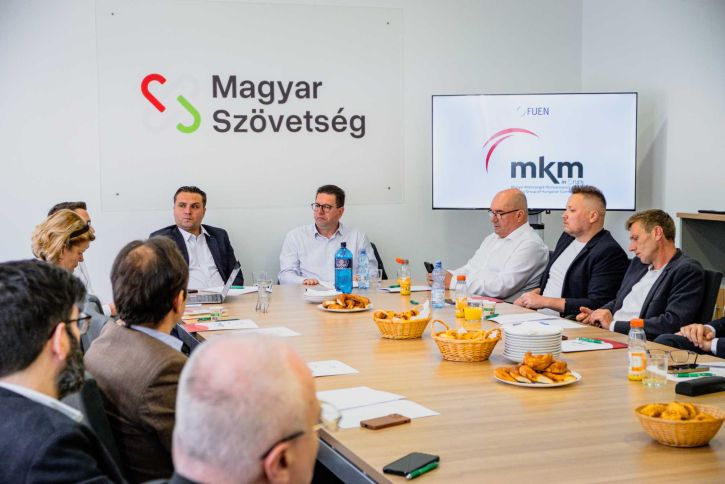
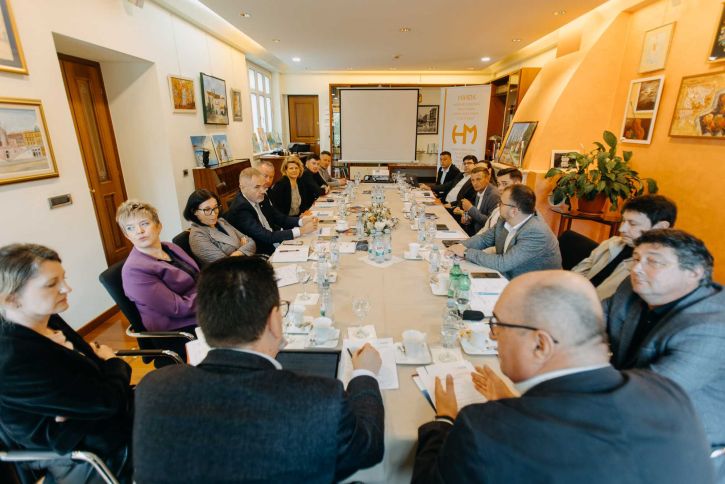
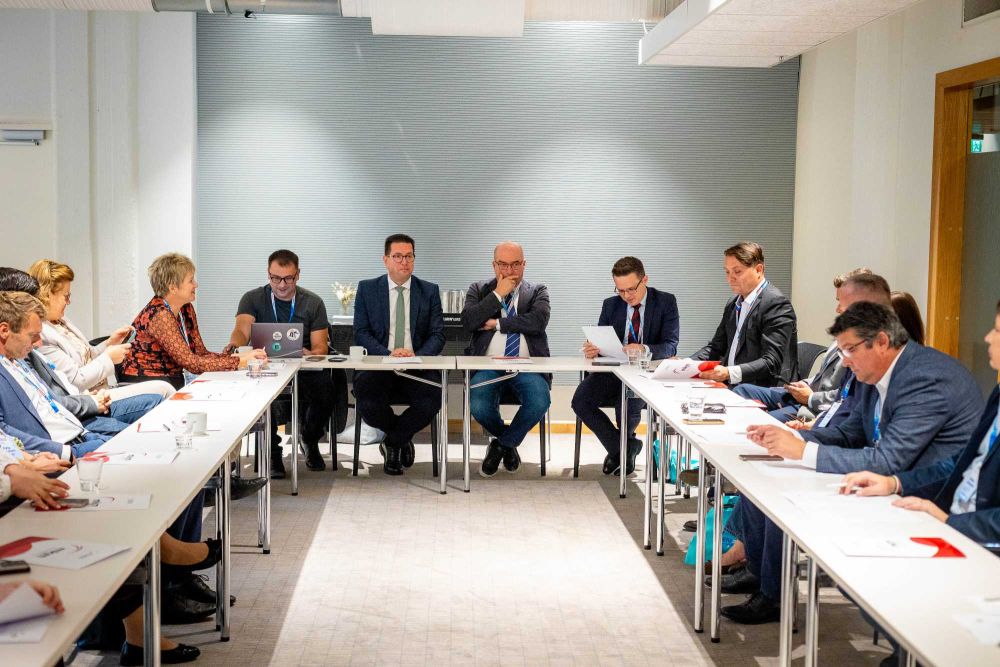
Within the framework of the 70th FUEN Congress, the Working Group of Hungarian Communities (MKM) held its working meeting on Friday, September 18, in Helsinki. At the meeting, representatives reviewed in detail the current situation of Hungarian communities abroad. In his report following the meeting, Member of the European Parliament and MKM leader Loránt Vincze emphasized: "The situation in Transcarpathia remains the worst among Hungarian communities." He highlighted that the necessary progress on minority rights by Ukraine is also a prerequisite for the advancement of its European Union accession process. He pointed out that although the Hungarian-Ukrainian agreement has been reached, the Ukrainian side has not yet fulfilled its commitments.
At the working group's meeting, in addition to the situation in Transcarpathia, participants discussed numerous other challenges affecting Hungarian communities. Topics included the October 24 municipal elections in Slovakia, the snap parliamentary elections in Vojvodina due on October 25, and the National Council elections in November, as well as the difficulties caused by domestic political uncertainty and unpredictability in Romania. The delegates agreed that the issue of Hungarian-language education is of key importance in every community, and the continuation of support from the motherland is essential for its maintenance. Additionally, they identified the initiatives restricting mother-tongue education and administrative restructuring emerging in both Romania and Slovakia as serious sources of danger.
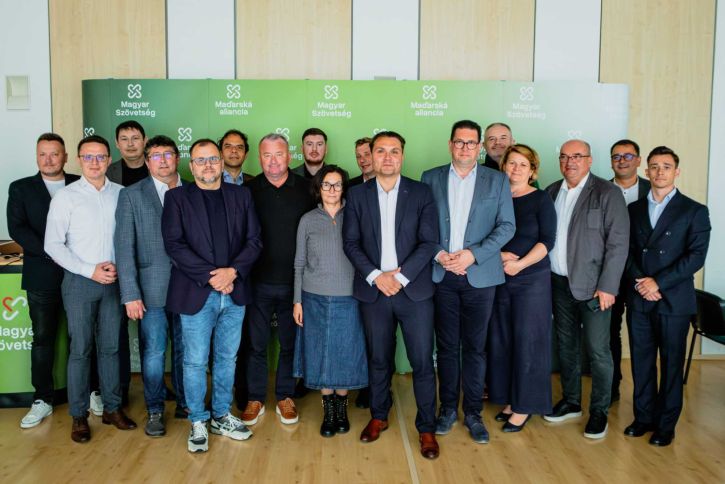
All seven FUEN member organizations of the Hungarians in the Carpathian Basin gathered at the working group meeting. Participants included: Loránt Vincze alongside Executive Vice President Anna Horváth representing the Democratic Alliance of Hungarians in Romania (RMDSZ); a delegation led by President László Gubík representing the Hungarian Alliance in Slovakia; Presidency Member and Vice President of the National Assembly of Serbia Elvira Kovács representing the Alliance of Vojvodina Hungarians (VMSZ); a delegation led by President László Brenzovics representing the Cultural Alliance of Hungarians in Sub-Carpathia (KMKSZ); Vice President János Andócsi representing the Democratic Union of Hungarians of Croatia (HMDK); a delegation led by President Dušan Orban representing the Hungarian National Self-Governing Community of Pomurje (MMÖNK); and a delegation led by President József Kulcsár-Terza representing the Hungarian Civic Force (MPE).